Q
What type of institution is New Mexico Military Institute?
New Mexico Military Institute is a public United States military junior college that offers academic preparation, leadership development, and pathways to further study, combining classroom learning with structured routines, fitness, and leadership training.
Q
What are the admission requirements for junior college applicants at NMMI?
Junior college applicants must submit official SAT or ACT scores as part of their application, while domestic high school applicants complete an on‑campus entrance exam and may also submit SSAT scores, and international applicants follow standardized test submission guidelines.
Q
How does NMMI incorporate leadership development?
The institute emphasizes leadership and character development through rigorous academics, discipline, service, and fitness training, with students participating in team‑building, field exercises, ethics seminars, and cohort‑based activities that reinforce leadership skills.
Q
What academic pathways are available at NMMI?
NMMI provides STEM and liberal studies pathways, along with structured academic support, advising, transfer planning, and career coaching, covering disciplines such as leadership studies, public service, physical training methodologies, and social sciences.
Q
What research opportunities exist at NMMI?
Research at NMMI focuses on leadership studies, public service, physical training methodologies, STEM foundations, and social sciences, with interdisciplinary teams linking theory to practice and students presenting findings through reports, briefings, and capstones.
Q
How does NMMI support international students?
International students receive orientation and advising, and programs incorporate global awareness and comparative leadership contexts, with team projects that cultivate cross‑cultural communication and respect.
Q
What is campus life like at NMMI?
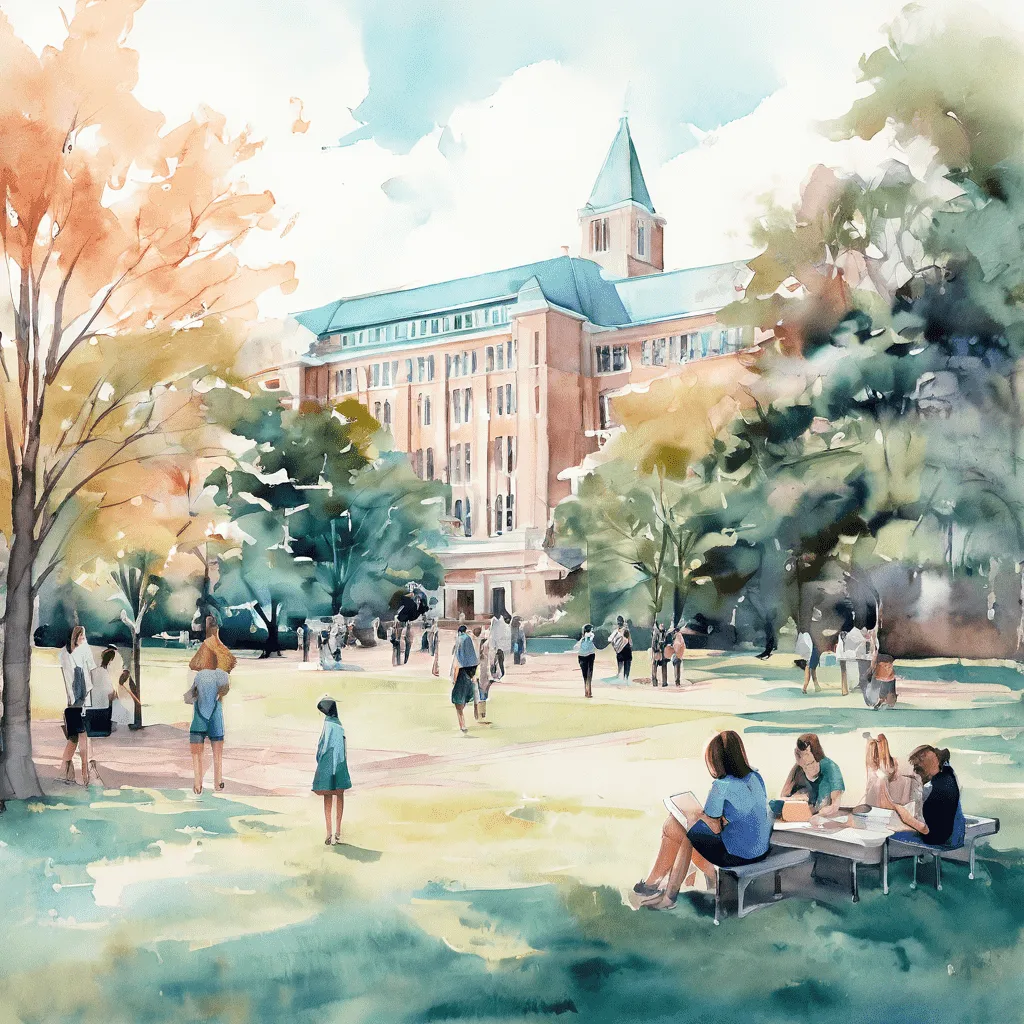
Campus life is organized around cohorts, activities, and responsibilities that encourage teamwork, featuring classrooms, labs, fitness facilities, libraries with quiet study areas, and nearby regional transport and services to support commuting and daily needs.